
How Much Home Insurance Coverage Do Oregon Homeowners Really Need? Expert Guide 2026
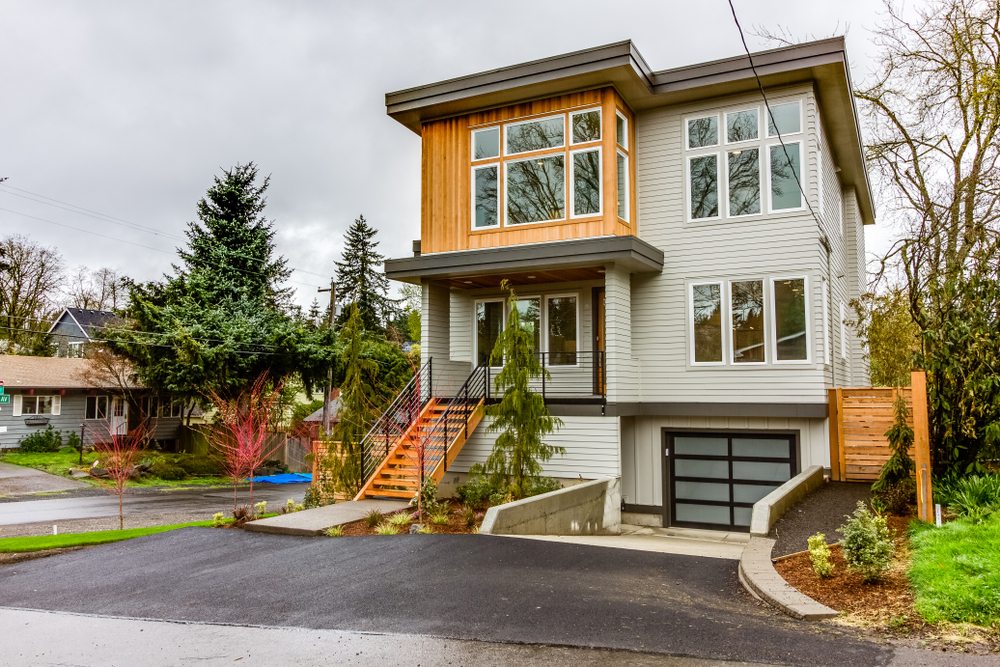
Oregon boasts the lowest homeowners insurance rates nationwide. The average U.S. homeowner pays $1,211 annually, while Oregon residents pay just $677. These attractive rates make Oregon stand out, but you need to think over your coverage needs carefully.
Your mortgage lender will require homeowners insurance if you’re still paying off your home, even though Oregon law doesn’t mandate it. A newer study shows that three out of five U.S. homes lack proper insurance by at least 20 percent. This protection gap puts your investment at risk. Most homeowners insurance policies cover your belongings at only 50 to 70 percent of your dwelling insurance.
This guide will show you the exact amount of Oregon homeowners insurance you need. You’ll learn what factors affect your insurance costs in Oregon. We’ll cover everything from rebuilding costs to coverage types, helping you protect your home without paying too much.
How to Calculate the Right Coverage for Your Oregon Home
Getting the right insurance coverage for your Oregon home takes more than just guessing. You need to know your home’s replacement cost – the amount needed to rebuild your house from scratch, not its market value.
Estimate Rebuilding Costs Using Local Construction Rates
Current construction costs in Oregon should guide your coverage calculations. The most reliable way to get a full picture is through professional appraisals. They look at your home’s specific construction, features, and fixtures along with local building costs. While this might cost several hundred dollars, it gives you peace of mind about your coverage levels.
Construction costs in Oregon change by a lot based on location and home quality. Standard homes usually cost between $120-$226 per square foot to rebuild. Luxury homes can go up to $500 per square foot. These prices change with local labor rates and material costs, so you need regular updates.
Exclude Land Value from Coverage Calculations
Many homeowners make a basic mistake by including land value in their insurance calculations. Note that land can’t be stolen, burned, or permanently destroyed during a disaster. Your insurance should only cover what it costs to replace your home’s structure and its components.
When you leave out land value from your coverage calculations, you avoid paying too much for premiums. This change can lower your insurance costs by a lot without reducing protection for what matters most – your dwelling and belongings.
Use Square Footage × Cost per Foot Formula
The quickest way to estimate is to multiply your home’s square footage by the local building cost per square foot. This formula gives you a starting point for your coverage needs:
Home sq. ft. × local rebuild cost per sq. ft. = replacement cost value (RCV)
A 2,000-square-foot home with local building costs of $226 per square foot would need approximately $452,000 for full replacement coverage.
Insurance companies often reduce claim payments if your coverage is less than 80% of the full replacement cost. Your home’s replacement value depends on several factors like age, construction materials, home features, fixture quality, and foundation type.
You’ll get the right coverage without extra premiums by calculating your home’s replacement cost instead of using market value.
Understanding the 3 Main Types of Home Insurance Coverage
Understanding three main types of oregon homeowners insurance coverage helps you make better decisions about your policy.
Actual Cash Value vs Replacement Cost
Depreciation handling creates the main difference between these coverage types. Actual Cash Value (ACV) policies pay you the depreciated value of your property after factoring in age and wear and tear. Replacement Cost Value (RCV) pays to replace your home and belongings with materials of “like kind and quality” at current market rates without depreciation deductions.
Let’s look at a real example: Your 5-year-old TV worth $1,500 gets damaged in a covered loss. An ACV policy would only pay the depreciated value. An RCV policy would cover a new, similar model’s cost. RCV policies cost more than ACV coverage.
Guaranteed Replacement Cost Explained
Guaranteed Replacement Cost gives you the most complete protection. This coverage pays the full rebuilding cost of your home exactly as it was before a disaster, whatever the amount exceeds your policy limits. This protection becomes vital after large-scale disasters that drive up construction costs.
Extended replacement cost coverage bridges the gap between standard and guaranteed replacement cost. You get a preset buffer—usually 25-50% above your dwelling coverage limit. To cite an instance, see a $300,000 dwelling limit with 25% extended coverage. This gives you $375,000 in protection.
Which Coverage Type Fits Oregon Homeowners Best?
Your specific situation determines the best choice for Oregon homeowners. RCV coverage provides better protection than ACV policies and works well as a baseline option.
Notwithstanding that, you should think over guaranteed replacement cost, especially when you have property in natural disaster-prone areas. The premium costs 5-10% more than standard policies, but you’ll know your home will be fully restored whatever the post-disaster price increases.
Modified replacement cost coverage suits some Oregon homes where rebuilding costs vary by region. This option lets you rebuild older homes with modern, alternative materials when original materials are not accessible to more people.
What Oregon Homeowners Insurance Typically Covers
Oregon homeowners insurance has several significant components that protect your home and financial well-being. You need to understand these coverage elements to determine the right amount of insurance protection.
Dwelling and Detached Structures
A typical Oregon policy begins with dwelling coverage (Coverage A) that safeguards your home’s structure including the roof, walls, and attached structures like porches. Most policies also provide other structures coverage (Coverage B), typically set at 10% of your dwelling coverage limit. This protection extends to detached buildings such as garages, sheds, barns, and gazebos that stand separate from your main residence. To cite an instance, a home insured for $300,000 would provide about $30,000 to protect detached structures.
Personal Property and Contents
Personal property coverage (Coverage C) safeguards your belongings—furniture, clothing, electronics, and kitchenware—usually at 50-70% of your dwelling coverage amount. Your items stay protected even when damaged or stolen away from home. High-value items like jewelry, art, and collectibles often have specific coverage limits. You should think over adding scheduled personal property endorsements (also called “floaters” or “riders”) to fully protect these valuable items.
Liability Protection for Injuries and Damages
Liability coverage (Coverage E) provides financial defense if someone gets injured on your property or you damage another person’s property. Standard policies usually provide $100,000 minimum in liability protection. This coverage helps with legal defense costs and court judgments when you’re found legally responsible. Medical payments coverage (Coverage F) takes care of smaller injury claims from guests without needing a liability determination.
Additional Living Expenses (ALE) During Repairs
Your home becoming uninhabitable from a covered loss triggers ALE coverage (Coverage D) that pays for temporary living costs beyond your normal expenses. These costs typically include hotel bills, reasonable restaurant meals, laundry expenses, pet boarding fees, and storage costs. Note that ALE has specific limits—either dollar amounts or time restrictions—and doesn’t cover damage from uncovered perils like floods or earthquakes.
Avoiding Underinsurance: Tips and Tools for 2025
Good preparation helps prevent underinsurance, a problem that affects almost 60% of homeowners nationwide. Your Oregon home needs proper protection, and these modern tools and strategies can help.
Conducting a Home Inventory with Mobile Apps
A detailed home inventory is your best defense against underinsurance. The NAIC’s free myHOME Scr.APP.book app helps you photograph and document your possessions room by room. Cloud storage services like Google, Amazon, Box, or Dropbox give you secure options to store your inventory. Make sure to update this record every year and capture serial numbers of expensive electronics along with receipts from major purchases.
Adding Floaters for Jewelry, Art, and Collectibles
Standard Oregon policies usually limit jewelry theft coverage to about $1,500. Valuable items worth more than this amount need a personal articles floater that provides broader “open peril” protection. These specialized endorsements protect you against losses your standard policy won’t cover, including accidents like dropping a ring down a drain.
Inflation Guard Endorsements for Rising Costs
An inflation guard endorsement raises your dwelling coverage limits each year to match construction costs. Recent court cases have shown that these endorsements alone might not give you complete protection. Regular coverage limit reviews with your agent are essential.
Using CLUE Reports to Check Property Claim History
LexisNexis CLUE reports track seven years of property claims history. You can get your free annual report to see how previous claims impact your premiums. This information helps determine the right coverage levels for your needs.
Get Started Today
Getting the right homeowners insurance is crucial to protect your Oregon home investment. You’ve found that Oregon has affordable premium rates, but choosing adequate coverage needs careful thought rather than guesswork.
The right insurance coverage starts with accurate replacement cost calculations. You should multiply your home’s square footage by local construction costs and leave out the land value from your calculations. This approach will give a precise estimate of what truly needs protection.
Oregon homeowners benefit more from replacement cost policies than actual cash value options. Guaranteed replacement cost coverage brings peace of mind, even though it costs more. This coverage proves valuable in areas where natural disasters strike or rebuilding costs change by a lot.
Your standard Oregon policy includes key protections. The dwelling coverage protects your home’s structure. You also get coverage for detached buildings, personal belongings, protection against legal claims, and living expenses during repairs. These elements create a complete safety net.
Underinsurance threatens homeowners across the country. Mobile apps help you track regular home inventories. You should add floaters for valuable items, think over inflation guard endorsements, and check your CLUE report yearly. These steps keep your coverage current as your home and possessions evolve.
Your Oregon home is both a financial investment and personal sanctuary. The right balance between complete protection and affordable premiums matters. This piece gives you the knowledge to choose coverage that protects your Oregon home without spending too much.