
Homeowners vs Renters Insurance Oregon
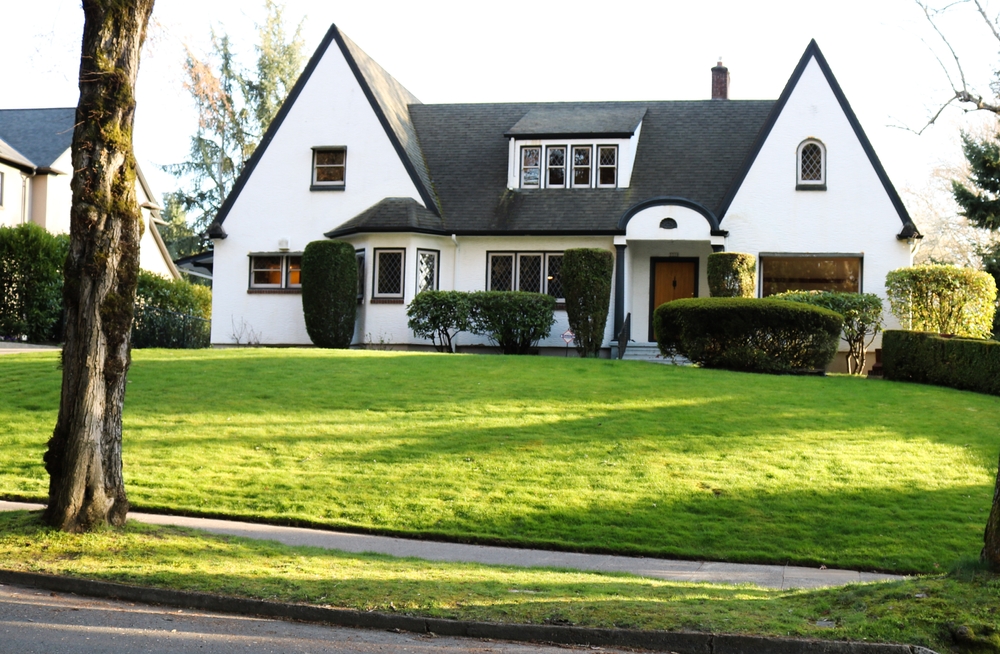
The difference between homeowners and renters insurance seems clear, but if you are a renter, you may not know your coverage and your rights while living in someone else’s home. If you own the property, you’ll need homeowners insurance, and if you have tenants, they will need their own renters policy, since your homeowners policy will not cover their belongings.
Renters insurance safeguards your personal belongings and provides liability coverage without protecting the building structure. Homeowners insurance costs more because it protects both your possessions and the physical property. Portland residents and others across Oregon can get renters insurance at remarkably low rates – often less than their monthly coffee budget – while protecting thousands of dollars in personal property.
Your financial security depends on choosing the right coverage, whether you rent long-term, just bought a home, or fall somewhere between. You’ll find exactly how these insurance types differ in this guide, along with Oregon’s specific rate factors while protecting your assets.
Cost Breakdown in Oregon: Renters vs Homeowners Insurance
Oregon residents see a big difference in monthly expenses between home and rental insurance costs. Let’s get into what makes these costs so different.
Average Premiums: $15–$30 vs $100–$300 per Month
The price gap between these insurance types stands out. Oregon renters typically pay just $15 to $30 monthly for insurance protection. Homeowners face much higher costs, with monthly premiums around $86, or about $1,039 annually. This means homeowners insurance costs about 730% more than renters coverage.
Why Renters Insurance is Cheaper: No Structural Coverage
The reason for this cost difference is simple: renters insurance doesn’t cover the building itself. Renters only need to insure personal belongings and liability, not the physical structure. Homeowners insurance must protect both possessions and the whole property—from foundation to roof—which leads to higher premiums.
Property damage claims tell a similar story. Homeowners claims average around $15,570 per case, while renters claims usually involve smaller amounts for personal property replacement.
Oregon-Specific Rates: Portland vs Rural Areas
Location factors change insurance costs throughout Oregon. ZIP code 97003 has the most affordable renters insurance at about $273 annually, while ZIP code 97480 residents pay about $309 yearly.
Natural disaster risks drive up premiums in coastal areas, flood plains, and wildfire zones. Portland and other urban spots might see different rates than rural communities because of varying crime rates.
Bundling Discounts and Deductible Impact
You can cut insurance costs in several ways:
- Bundle policies – Combining renters and auto insurance can save up to 8% on auto and 20% on renters coverage
- Install safety devices – Smoke alarms, fire extinguishers, and deadbolt locks qualify for discounts
- Adjust deductibles – Higher deductibles lower monthly premiums but increase out-of-pocket costs during claims
- Consider monitoring systems – Burglar alarms connected to monitoring services are a great way to get savings
Your deductible choice affects your premium directly. A change from a $500 to $1,000 deductible on a $20,000 personal property policy can reduce your annual cost from $232 to $215.
Both insurance types protect you from financial disaster. Renters insurance costs less than your daily coffee but protects thousands in personal property value.
Coverage Differences: What Each Policy Actually Protects
You need to know exactly what your insurance policy protects to make smart decisions about coverage. The main differences between homeowners and renters policies in Oregon come down to what they actually cover.
Dwelling and Structure: Homeowners Only
The most important difference shows up in dwelling coverage. Homeowners insurance protects the physical structure of your home. This coverage takes care of your home’s walls, roof, foundation, attached garage, and permanent features like cabinets and built-in appliances. Everything that’s structurally part of your house falls under dwelling coverage. Renters insurance doesn’t have dwelling coverage because the landlord owns the building.
Personal Property: Covered by Both, with Limits
Both policies protect your belongings—furniture, electronics, clothing, and other personal items—from fire, theft, and vandalism. All the same, they calculate coverage differently. Renters choose their personal property limits based on what their stuff is worth. Homeowners’ personal property coverage usually comes as a percentage of their dwelling coverage. Both policies also cap coverage for valuable items like jewelry, usually around $1,000 per item.
Liability Protection: $100K vs $300K Starting Limits
Your liability coverage kicks in if someone gets hurt on your property or you accidentally damage someone else’s property. Standard renters policies usually start with $100,000 in liability protection. Homeowners policies start with higher limits. Insurance experts say you should have at least $300,000-$500,000 in liability coverage whatever type of policy you choose. Legal fees and medical costs can add up quickly.
Loss of Use: Hotel and Meal Reimbursement
Both policies help with temporary housing if you can’t live in your home after a covered event. Homeowners get about 20% of their dwelling coverage. Renters usually receive either $3,000-$5,000 flat or a percentage of their personal property coverage. This helps with extra costs beyond your normal expenses. Let’s say your monthly grocery bill jumps from $800 to $1,200 because you’re eating out—you’d get back that $400 difference.
Medical Payments to Others: Included in Both
Both policies come with medical payments coverage for minor injuries to guests, no matter who’s at fault. These limits are nowhere near as high as liability coverage—usually between $1,000-$5,000 compared to liability’s $100,000+. This “no-fault” coverage helps prevent lawsuits and pays for things like ambulance rides, hospital visits, and X-rays for guests who get hurt.
Who Needs What: Matching Policy to Your Living Situation
Living in Oregon? The type of insurance policy you need depends on where you live. The right coverage will give a perfect balance between protection and cost.
What is the Difference Between Renters Insurance and Homeowners Insurance?
Property ownership creates the main difference. Homeowners insurance protects both the building and your belongings, which makes it more expensive. Renters insurance only covers your personal items and liability without protecting the building itself. Homeowners take on all financial risks for property damage, while renters just need to worry about their personal items.
When You’re Renting a House or Apartment
Renters need their own insurance even though landlords insure the building. Your landlord’s policy won’t cover your belongings if someone steals them or they get damaged. Renters insurance gives you three vital protections: coverage for personal property, liability protection, and money for temporary housing if you can’t live in your rental. You can get this protection for $15-$30 monthly, making it a smart investment.
When You Own a Home or Have a Mortgage
Your home needs detailed coverage to protect your investment. Oregon law doesn’t require homeowners insurance, but mortgage lenders do. They need this protection because your home acts as collateral for the loan until you pay it off.
Landlord and Lender Requirements in Oregon
Landlords in Oregon can ask for renters insurance with liability coverage up to $100,000 per incident. The rules change if your income falls below 50% of the area’s median income or your home gets public subsidies – then landlords can’t require insurance. They also can’t make you list them as additional insured, only as an interested party for notifications.
Short-Term Rentals and Special Cases
Regular homeowners policies don’t cover short-term rentals. Renting through Airbnb, VRBO, or similar platforms means you need special short-term rental insurance. These policies are a great way to get better protection than platform guarantees. They include commercial liability coverage, property protection, and business income coverage if your rental becomes unusable. Your policy should have at least $1 million in liability protection plus coverage for extras like hot tubs or bikes.
How to Choose the Right Policy for 2026
Getting the right insurance policy needs smart planning and a good review. You need to think your needs and options and decide what is best for your situation. These steps will help you get the right coverage at the best price.
Create a Home Inventory to Estimate Value
A complete list of your belongings should come before you buy insurance. This list shows exactly how much coverage you need and speeds up claims when problems happen. You can build this inventory through:
- A detailed written list with descriptions, serial numbers, and purchase dates
- Digital photos or video walk-through of your belongings
- Free mobile apps that store information securely
Your inventory should be stored off-site or in cloud storage safely.
Understand Policy Limits and Exclusions
Your insurer’s maximum payout for covered claims are policy limits. Standard policies come with key limitations:
Personal property coverage equals 50% of your dwelling. Valuable items like jewelry have sub-limits (usually capped around $1,500). You’ll pay remaining costs yourself if damages go beyond your coverage limit
Your policy needs a careful review to spot exclusions—specific perils or items that standard protection won’t cover.
Add-ons for Jewelry, Electronics, or Pets
High-value items rarely get enough coverage in standard policies. Expensive possessions need these specialized add-ons:
Jewelry riders (costs about 1-2% of the item’s value), Electronics coverage that protects against drops, spills, and theft, Pet insurance covering veterinary emergencies and ongoing treatments
These extra protections fill vital gaps in standard policies and stay affordable.
Get Covered Today
Make sure you don’t leave yourself uncovered and get the policy that best fits your needs today.