
Tree Service Insurance Programs in Oregon
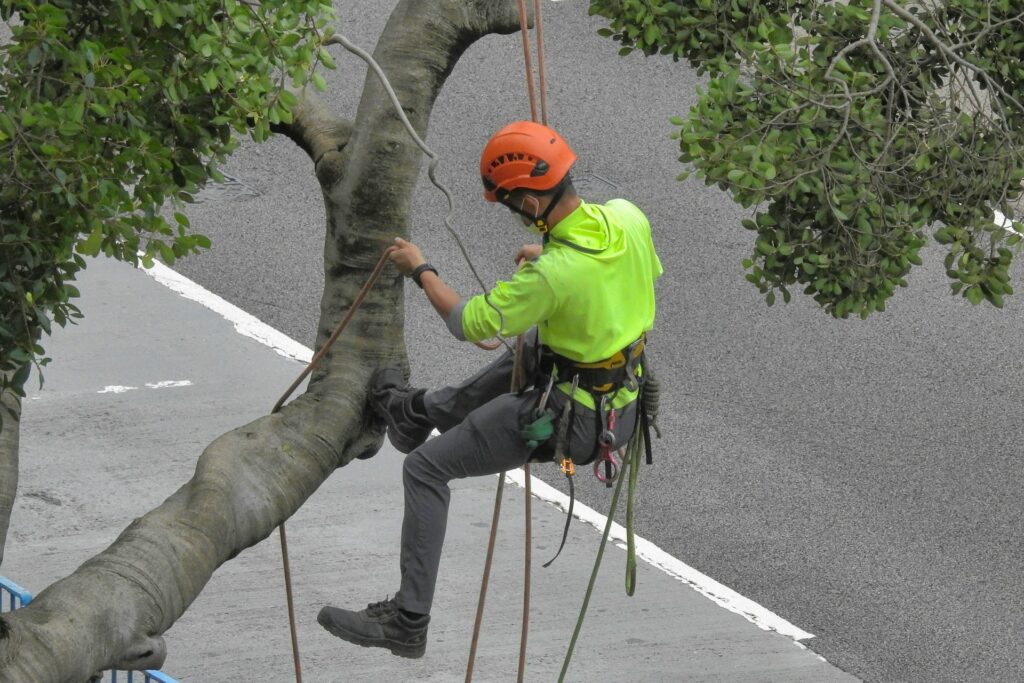
Tree service work ranks among America’s most dangerous professions, with a fatality rate of 110 per 100,000 workers. So, understanding tree service insurance programs in Oregon isn’t just about compliance. It’s about protecting your business from financial loss. As a matter of fact, most clients will require proof of liability insurance before you can start any job. A single accident could end your business overnight if you lack proper coverage.
This guide walks you through Oregon’s specific business insurance requirements for 2026 and the coverage types your tree service needs. You’ll also learn about top providers offering insurance for tree business operations and strategies to reduce your premiums while maintaining complete protection.
Oregon State Requirements for Tree Service Insurance in 2026
Oregon operates a dual licensing system that determines your tree service insurance requirements. Your specific obligations depend on the work you perform and whether you employ a crew.
Oregon Landscape Contractors Board (LCB) License Requirements
You must get an LCB license if your tree business has planting services. All LCB licensees face a new requirement starting January 1, 2026: a $20,000 surety bond whatever the project size. Bond amounts previously ranged from $3,000 to $20,000 based on contract value. This standardization simplifies compliance but increases costs for smaller operators.
The LCB license requires two separate applications. You need a personal license for the individual who passes the examination and a business license for your company. Annual costs run $575 per license phase. Businesses holding an LCB license with ISA certification can apply for the Arborist License Phase, which covers tree planting, removal, trimming, pruning and stump grinding.
Minimum Insurance Coverage Required by Oregon Law
Oregon law requires $500,000 in general liability insurance for all LCB-licensed businesses. This requirement covers public liability, personal injury and property damage that arise from landscaping work. Your certificate of insurance must list the Oregon Landscape Contractors Board as the certificate holder and remain current throughout your licensing period.
Reputable tree services carry between $500,000 and $1 million in coverage. The policy must come from an insurance company authorized to conduct business in Oregon.
CCB Registration vs LCB Licensing for Tree Work
All tree service businesses performing work over $500 must register with the Oregon Construction Contractors Board. CCB registration costs $400 per two-year period, making it more economical than LCB licensing. Registration with the CCB will give your business maintained bonding and insurance.
The key difference: CCB licenses do not permit tree planting or irrigation work. But LCB licenses allow you to perform tree service work in addition to planting. Many tree businesses choose LCB licensing to expand their service offerings.
Workers Compensation Rules in Oregon for Tree Services
Oregon requires workers compensation insurance if you have even one employee. This has family members who receive compensation and work under your direction. The definition of “employee” extends beyond traditional wages. You trigger the requirement by providing non-monetary compensation, such as buying someone pizza for a day’s work.
Businesses without employees can maintain exempt status. But sole proprietors with CCB licenses must carry personal election coverage, a specialized workers compensation policy for owners.
Essential Coverage Types in Tree Service Insurance Programs
Complete insurance for tree business operations requires understanding five core coverage types that protect different aspects of your operations.
General Liability Insurance for Tree Businesses
General liability protects you when your tree work causes bodily injury or property damage to clients and third parties. This coverage handles the claim if a branch damages a customer’s fence or a homeowner trips over your equipment. Oregon tree services carry minimum limits of $1 million per occurrence and $2 million combined. Average cost runs $138 per month or $1,651 per year.
Workers Compensation Coverage for Tree Service Employees
Workers compensation covers medical expenses, lost wages and rehabilitation when employees suffer job-related injuries. Tree service businesses pay an average rate of $9.15 per $100 of payroll. This works out to $186 monthly or $2,235 per year. This coverage becomes mandatory once you hire your first employee.
Commercial Auto Insurance for Tree Service Vehicles
Personal auto policies exclude business use the moment you load equipment and drive to a job site. Commercial auto insurance covers trucks, chippers, bucket trucks and trailers used in tree service operations. Standard work trucks cost $1,500 to $3,000 per year. Bucket trucks and specialized equipment run $2,500 to $5,000 per year. Average costs hit $204 monthly across vehicle types.
Equipment and Property Coverage Options
Inland marine insurance protects chainsaws, stump grinders, climbing gear and other equipment whether stored at your location or transported to job sites. Tree services pay an average of $57 per month or $681 per year for tools and equipment coverage.
Professional Liability for Arborist Consultations
Professional liability covers exposures that general liability excludes. The most common claim involves removing the wrong tree. One six-figure settlement resulted when a limb fell weeks after tree pruning. Plaintiffs argued the arborist should have identified and removed the dying limb. This coverage protects against errors in professional judgment, misdiagnosis and faulty advice that causes financial loss.
Top Tree Service Insurance Programs Available in Oregon
Five distinct insurance providers serve Oregon tree service businesses. Each targets different operational profiles and risk levels.
Insurance Canopy: Fast Online Coverage
Insurance Canopy specializes in ground-based tree service operations. Coverage starts at $31 per month with up to 12% savings for annual payments. You can purchase a policy online in under five minutes and receive a certificate of insurance right away. The platform excludes aerial work and lift operations. Coverage is limited to ground-based trimming only. Optional add-ons include trailer and equipment coverage, surety bonds, workers compensation, commercial auto, and cyber liability.
Progressive Commercial: High-Risk Tree Operations
Progressive Commercial works through the excess and surplus lines market. The company handles tree businesses that standard carriers reject. E&S carriers follow different regulations than standard insurers. This gives them freedom to cover high-risk operations like aerial tree work. Premiums run higher than standard market plans, but Progressive provides the same service level. You get agent access and claims filing.
Tivly: Hard-to-Insure Tree Businesses
The Hartford partners with Tivly to provide coverage for tree service companies that fall outside Hartford’s underwriting guidelines. This arrangement creates options for businesses with challenging claims history or non-standard operations.
NIP Group TreePro: Large-Scale Operations
NIP Group’s TreePro program brings 30+ years of tree service specialization backed by A+ rated carriers. The program handles workers compensation premiums from $25,000 to $10 million on a guaranteed cost basis. TreePro offers multi-line packages. These include general liability up to $1 million per occurrence, auto liability, property coverage to $10 million, and umbrella liability building to $25 million.
Oregon-Based Regional Insurance Providers
Several Oregon insurance agencies work with multiple carriers to compare rates for tree service operations. Gerald Ross Agency on the Oregon Coast is one example.
Cost-Saving Strategies for Oregon Tree Service Businesses
Three proven strategies cut your tree service insurance programs in oregon costs without sacrificing protection. Insurance companies reward businesses that demonstrate commitment to risk reduction through measurable actions.
Safety Program Implementation and Premium Discounts
Safety programs documented with ANSI Z133 compliance deliver immediate premium reductions of 15-25%. Training programs through organizations like Tree Care Academy lower injuries and decrease insurance costs. A clean loss record for three years can drop premiums 20-40% or more. Insurance carriers notice your investment in safety equipment and proper training. That commitment translates into lower rates.
Seasonal Coverage Adjustments for Oregon Weather Patterns
Oregon’s winter months bring electrical hazards and icy conditions that change your operational risks. Scaling back coverage during slower seasons when work volume drops can reduce overall premiums by 15-30%. Liability limits can be lowered during winter months. Workers compensation adjusts based on actual seasonal payroll, and lay-up policies work for idle vehicles. Premises liability and other core coverages stay year-round while endorsements you don’t need off-season get suspended.
Higher Deductible Strategy for Established Businesses
Deductibles raised from $500 to $2,500-5,000 cut premiums 15-25%. Insurance for tree business operations costing $20,000 yearly returns $3,000-5,000 to your bottom line annually with this strategy. A separate fund created with your premium savings covers potential deductible payments when claims occur.
Get Your Business Covered Today
Running a tree service business without proper insurance coverage puts your whole operation at risk. Oregon’s 2026 requirements just need attention to licensing, bonding and minimum liability limits. You need complete protection that spans general liability, workers compensation and commercial auto. Equipment coverage and professional liability round out your needs. You can reduce premium costs by a lot while you maintain the protection your business requires. Implement safety programs, adjust seasonal coverage and raise deductibles in a strategic way.