
Inland Marine Insurance in Oregon
Standard business insurance policies often leave a critical gap when your property leaves your premises. Inland Marine Insurance in Oregon fills this void by protecting your movable property and goods while they’re in transit over land or stored at temporary locations. This specialized coverage is designed for property that moves or is transportable. Oregon businesses that ship products, transport equipment, or move inventory between locations need this coverage.
What does inland marine insurance cover? It provides protection for goods and equipment during transportation and storage at locations of all types. Inland marine insurance examples include contractor’s tools, goods in transit, exhibition materials, and property temporarily stored off-site. This coverage helps your business avoid substantial financial setbacks by protecting assets that standard commercial property policies exclude. This guide will walk you through everything in obtaining the right inland marine coverage for your Oregon business.
What Does Inland Marine Insurance Cover in Oregon?
Inland marine coverage protects your mobile assets through specialized policy provisions that address risks standard policies exclude. Coverage extends to multiple property categories that move between locations or operate outside your primary business premises.
Business Inventory Protection During Transit
Your inventory receives protection while transported by truck, train, or other land-based methods. Materials purchased for specific jobs gain coverage whether they’re moving to a job site or already delivered but not yet installed. This protection safeguards your investment until project completion. Installation floater coverage addresses materials and equipment once installed but before final project sign-off. It protects against theft, vandalism, and weather-related damage during this vulnerable period.
Tools and Equipment Coverage
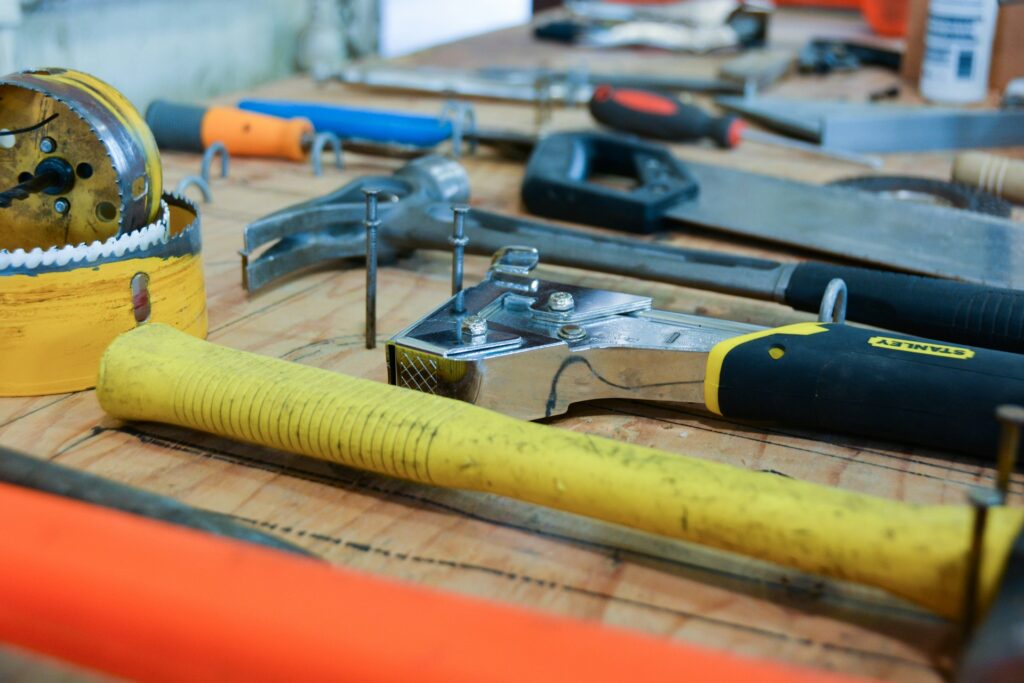
Protection covers tools and equipment against damage or loss while in transit, at job sites, or stored in vehicles. Coverage protects against theft and vandalism. It also covers damage caused by fire, accidents, and natural disasters such as floods or lightning. Your policy extends to tools and equipment you purchase, rent, lease, or borrow after the policy’s effective date for a specified period. Small hand tools and jobsite gear qualify for coverage. Heavy equipment such as bulldozers, backhoes, and skid steers also receive protection. Cranes and street equipment receive protection under inland marine policies, along with temporary structures such as scaffolding or fencing.
Transportation Vehicles and Mobile Property
Property stored in moveable vehicles receives coverage even when your primary commercial auto insurance won’t protect these items. To name just one example, equipment stored in trailers or work vehicles overnight gains protection against theft and damage. Mobile equipment used in construction, landscaping, and related fields maintains coverage whatever the location. This protection extends to forklifts, tractors, and other portable power machinery that travels to different worksites.
Property in Temporary Storage Locations
Off-site storage situations receive full coverage protection. Materials and equipment stored at warehouses, third-party facilities, or temporary job sites remain protected against covered perils. Property awaiting installation at locations you neither own nor operate still falls under your policy protection. Remote employees may keep business property at various locations, and your coverage follows the property. Items in temporary storage before delivery to final destinations maintain protection throughout the storage period.
Oregon Businesses That Need Inland Marine Insurance
Multiple Oregon business sectors rely on inland marine coverage to protect mobile assets and property in transit. The industry determines specific coverage needs and policy structures.
Contractors and Construction Companies
Construction firms face constant exposure to equipment theft and damage across multiple job sites. Carpenters, electricians, HVAC technicians, plumbers, roofers, landscapers, and solar installers all transport valuable tools and equipment between locations daily. Schedules of equipment change as often as the jobs themselves. This requires flexible coverage that follows property wherever work takes you. Materials delivered to renovation sites before installation need protection. Heavy equipment like bulldozers, backhoes, and cranes moving between projects need the same.
Logistics and Shipping Businesses
Motor carriers, freight forwarders, logistic service providers, and freight brokers handle property that belongs to others. This creates most important liability exposures. The business depends on customer freight protection while it moves between facilities or sits in temporary storage. Warehousing operations face similar risks when holding inventory during peak seasons or overflow situations.
Retailers and Wholesalers Moving Inventory
Businesses shipping goods to customers or moving inventory between locations need protection beyond standard property policies. Merchandise loses traditional coverage once it leaves the main location. This creates dangerous gaps during transportation and third-party warehouse storage. Just-in-time delivery methods increase these exposures and make continuous coverage necessary for uninterrupted operations.
Trade Show Exhibitors and Event Organizers
Valuable trade show booths travel often and remain stored by vendors between events. Exhibition materials, display equipment, and product samples face theft and damage risks during setup, throughout events, and while in transit.
Service Providers Handling Client Property
Repair shops, storage businesses, and courier services hold customer property and create bailee exposures. Medical equipment providers and technology firms moving specialized equipment to client locations require coverage for items away from main business premises.
Types of Inland Marine Coverage Available in Oregon
Oregon businesses can select from several specialized inland marine policies designed to meet specific property exposures and operational needs.
Bailee’s Customer Coverage
This protection covers clients’ property entrusted to your business for storage, repair or servicing. Two coverage options exist: Bailee Legal Liability Coverage applies to business-to-business operations and protects your responsibility for customer property loss, while Bailee’s Customers Coverage addresses retail operations for property of retail clients. Dry cleaners, jewelers, repair shops, furniture stores, mechanics, pet care businesses and computer repair companies require this coverage.
Builder’s Risk Insurance
Builder’s risk protects buildings, structures, materials and equipment during construction or renovation projects. Coverage extends to property damage from fire, lightning, hail, explosions, theft, vandalism and certain weather events. Protection has materials on site, in transit or at temporary locations, along with soft costs like lost sales, rental income and additional loan interest if property damage causes delays.
Motor Truck Cargo Coverage
Motor truck cargo insurance protects clients’ goods while your business transports and delivers them. Broad transit definition has loading and unloading operations. Coverage addresses theft, accidents, refrigeration breakdown and various transit-related risks. Deductibles can be customized, with some policies offering diminishing deductible programs that decrease by 25% each year during loss-free years.
Installation Floater Coverage
Installation floaters protect materials, supplies and labor costs for property being installed at job sites. Coverage applies from the time materials leave your business until installation completion and project sign-off. Protection extends to materials in transit, stored at temporary locations and during installation against fire, theft, explosions, water damage and vandalism.
Exhibition and Fine Art Coverage
Fine art coverage protects paintings, sculptures, prints and special collections at permanent locations, in transit and while on loan. Museums, galleries, corporate collections and dealers use this specialized protection.
Contractor’s Tools and Equipment Protection
This coverage protects owned, leased, rented or borrowed construction equipment that has loaders, backhoes, excavators, power tools and hand tools. Protection applies at jobsites, temporary storage locations and during transit against theft, vandalism, accidental damage, fire and certain weather events.
How to Get Inland Marine Insurance in Oregon
You need a systematic approach to secure inland marine coverage. This means you identify carriers, assess your needs and compare policy options.
Finding Licensed Oregon Insurance Carriers
Major insurance providers offer inland marine policies in Oregon. You can get them as endorsements to your general liability insurance or business owners policy (BOP), or as separate standalone coverage. Online platforms give you convenient access to multiple carriers. You can compare rates from companies without sales pressure.
Determining Your Coverage Needs and Limits
Create a detailed inventory of your mobile business property and note each item’s value. Estimate the maximum value of equipment and inventory you transport at any given time. You won’t carry everything at once. Your risk factors matter. Businesses on the road constantly face higher theft and damage chances than stationary operations. This means you need higher coverage limits.
Understanding Oregon-Specific Policy Requirements
Provide details about your items’ value, type and transportation methods at the time you request quotes. Choose coverage limits that reflect your portable property’s worth. This helps you avoid coinsurance penalties.
Getting Quotes and Comparing Policies
Annual inland marine insurance costs between $300 and $1,000. Monthly premiums range from $25 to $85. Request quotes online or contact agents to compare coverage options and pricing.
Get Covered Today
Inland marine insurance protects your Oregon business from most important financial losses at the time property leaves your premises. This coverage addresses critical gaps in standard commercial policies by protecting equipment, inventory, and goods during transit or temporary storage. Your business benefits from multiple policy options tailored to specific industry needs, with annual costs ranging from $300 to $1,000 on average. Compare quotes from licensed Oregon carriers to secure coverage limits that match your mobile property’s actual value.