
9 Safe Driving Tips for Oregon Teens: Prevent Accidents in 2026
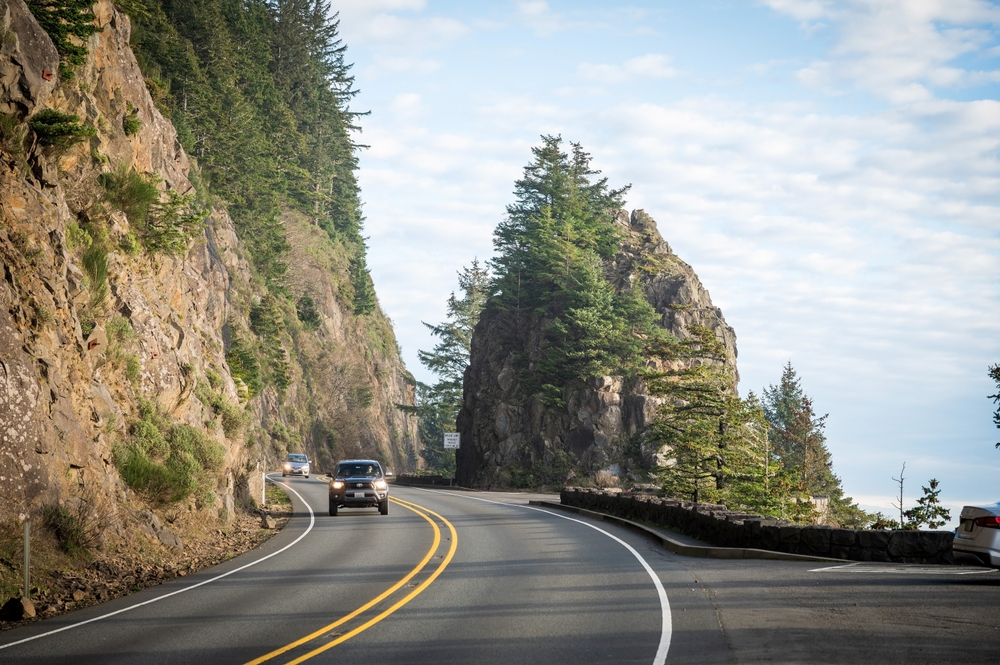
Teen drivers face a higher risk of car accidents compared to all other age groups. The risk peaks during their first year with a license, and lack of experience causes most of these crashes.
Parents and teen drivers in Oregon must understand these risks. Oregon lawmakers implemented Graduated Driver Licensing requirements in 1998, which helped reduce teen driving deaths by 58 percent. The dangers still remain – a pedestrian’s chance of fatal injury increases by 40% at 42 mph compared to 23 mph.
Oregon requires new drivers to complete 100 hours of supervised driving with an adult, and with good reason too. This requirement drops to 50 hours for those who complete an approved driver education course. The next sections will cover nine safe driving practices to help you direct yourself safely on Oregon roads while protecting everyone from avoidable accidents.
Put Down the Phone While Driving
Teen drivers in Oregon face their most dangerous distraction right in their pocket – their phone. Oregon Department of Transportation data shows 125 crashes with drivers aged 16-18 who were using cell phones while driving from 2017-2021. These crashes led to 188 injuries. The actual numbers are likely much higher since many incidents go unreported.
Why avoiding phone use matters for Oregon teens
Your crash risk skyrockets when you use a phone while driving as a teen. Drivers who use phones are 5.36 times more likely to crash than those who stay focused. It gets worse – texting while driving makes you 23 times more likely to crash or nearly crash.
The risks aren’t just about safety in Oregon. The state’s distracted driving law (ORS 811.507) makes it illegal to hold or use any mobile electronic device while driving. First-time offenders can face fines up to $1,000, while second offenses could cost up to $2,000. Three violations within ten years become a Class B misdemeanor, which could mean up to six months in jail and $2,500 in fines.
Oregon sets even stricter rules for teen drivers – if you’re under 18, you can’t use any mobile device, even hands-free systems.
Common distractions caused by phones
Phones create four distinct types of distractions that make driving unsafe:
- Visual distraction: Your eyes leave the road to look at the screen
- Manual distraction: Your hands leave the wheel to hold the phone
- Auditory distraction: Your ears focus on phone talks instead of traffic
- Cognitive distraction: Your mind wanders to messages instead of driving
A text message takes your eyes off the road for about 5 seconds. Driving at 55 mph, you’d cover the length of a football field essentially blindfolded.
Texting combines all these distractions at once, making it especially dangerous. Research shows texting drivers are as impaired as those with a blood alcohol level of 0.08% (the legal limit).
Studies reveal a troubling trend – 97% of teen drivers know texting while driving is dangerous, yet 43% still do it. This gap between knowing and doing puts lives at risk.
How to stay focused behind the wheel
These practical strategies can help keep you safe:
Start by turning on your phone’s “Do Not Disturb” mode before driving. This blocks notifications and removes temptation. You can also use apps that lock your phone while driving.
Put your phone somewhere you can’t reach it – like your backpack in the back seat or trunk. Note that Oregon law bans phone use even at red lights.
Talk to your friends and family about your commitment to safe driving. Let them know you won’t respond while driving. Parents should know they often contribute to distraction – 50% of teens talk to parents while driving compared to 21% who talk to friends.
Set up your route before you start driving. If you need navigation, program it while parked and use voice directions instead of looking at the screen.
The dangers go beyond texting. Teens now use social media while driving – taking selfies (17%), checking social platforms (27%), and video chatting (10%). Each of these activities makes crashes much more likely.
Your life and others’ lives matter more than any message, call, or social post. Oregon teen drivers need to keep their focus where it belongs – on the road ahead.
Always Obey Traffic Signs and Signals
Traffic signs and signals work as the universal language of driving. They create orderly traffic flow and reduce collision risks. Teen drivers in Oregon must grasp and respect these visual cues as their basic foundation. Research shows that violations of traffic signals cause about 51% of fatal crashes at controlled intersections.
Importance of traffic laws for teen drivers
Traffic regulations aren’t just random rules that make driving complex. These laws protect lives and stop accidents from happening. Statistics reveal that speed plays a role in about one-third of all deadly vehicle crashes for over 20 years. Road signs give you vital information to guide you through intersections, school zones, and risky road conditions.
Oregon teens should know that sign-related questions make up one-third of the 35-question Oregon DMV knowledge test. All the same, mastering these signs means more than just passing your test—it builds safe driving habits that last a lifetime.
Breaking road safety rules brings tough penalties. You’ll face big fines, license points that could suspend your driving privileges, and higher insurance costs. Oregon’s teen drivers with provisional licenses face even stricter consequences.
Examples of common violations
Teen drivers often break these traffic sign rules:
- Rolling stops – Not stopping fully at stop signs (also known as a “California stop”) creates dangerous situations at intersections and results in hefty fines
- Ignoring speed limits – Speed ranks as the main cause of teen car crashes, with 58,802 Florida teens getting speeding tickets in one year (other states including Oregon show similar trends)
- Running red lights – Drivers who run red lights cause 51% of deadly crashes at traffic signal-controlled intersections
- Missing school zone limits – Oregon strictly enforces 20 mph speed limits near schools when children are around
- Improper lane changes – Many teens forget turn signals during lane changes, which often leads to crashes
Many teens see these as small mistakes, but they can turn deadly, especially with speed or distracted driving in the mix.
Tips to improve awareness of road signs
Here are practical ways to get better at spotting and responding to traffic signs:
Learn the basic language of sign shapes and colors first. Each has its own meaning—octagons mean stop, pentagons show school zones, triangles tell you to yield, and red typically means “don’t do this”.
Make sign scanning your habit while driving. Look about 12-15 seconds ahead on your path to spot signs early enough.
Test yourself to spot and read signs while riding as a passenger. This practice helps you recognize signs faster when you drive.
Link sign shapes to their meanings through visual connections. The eight sides of a stop sign can help you remember the full stop needed at intersections.
Sign recognition goes beyond shapes and colors—you need to know how to act. Your driving test looks at three things: how well you read signs, how you react to them, and whether you follow the rules.
Your respect for traffic signs and signals makes Oregon roads safer for everyone.
Respect School Zones and Crosswalks
School zones are vital safety areas where small driving mistakes can lead to devastating consequences. Each year, nearly 7,314 pedestrians are killed and more than 68,000 suffer injuries nationwide. Many of these tragedies happen near schools, making school zones a significant concern for Oregon teen drivers.
Why school zones are high-risk areas
Several factors create unique safety challenges in school zones. Most children killed in bus-related incidents are 4-7 years old, which demands constant watchfulness. Teen pedestrians face their own risks too—teens ages 15-19 account for about half of all pedestrian fatalities while representing only 26% of children ages 0-19.
The most dangerous times are morning and afternoon hours around school schedules. Vehicles strike the highest number of children between 7-9 AM and 2-4 PM. Oregon sets strict rules to protect students during these vulnerable times.
These areas become risky because children often behave unpredictably—they dart between cars, chase dropped items into streets, or cross without looking. The numbers tell a concerning story: 83% of middle school students and 76% of high school students take part in at least one unsafe street crossing behavior.
How to approach crosswalks safely
Your speed should drop well below the posted limit before entering any school zone. Oregon law requires you to stop and stay stopped at crosswalks until pedestrians clear your lane plus the adjacent lane. While turning at traffic signals, you must wait until pedestrians have cleared the lane you’re turning into plus at least six feet of the next lane.
A significant point to remember: every intersection counts as a crosswalk—marked or not. Under Oregon law, a pedestrian enters a crosswalk the moment any part of their body moves into the roadway with intent to proceed.
These actions help avoid fatal mistakes:
- Keep crosswalks clear when stopped at lights
- Yield to crossing guards with stop signs
- Stay behind vehicles stopped for pedestrians
- Look carefully for children in school zones
A driver might face a fine over $250 for not stopping for a pedestrian. The legal penalties are no match for the potential risks of hitting a child.
Oregon-specific school zone rules
Oregon divides school zone regulations into two categories. Zones next to school grounds have reduced speed limits either “When Flashing” or “School Days 7 AM to 5 PM”. Zones at school crosswalks away from school grounds follow reduced limits either “When Flashing” or “When Children are Present”.
“When Children are Present” carries specific legal meaning in Oregon. This applies whenever:
- Children occupy or walk within a crosswalk
- Children wait on the curb or shoulder at a crosswalk
- A traffic control member helps children at a crosswalk
Oregon doubles the fines for speeding in school zones. To cite an instance, see how going just 1-10 mph over the limit normally costs $115, but jumps to $230 in school zones. Speed increases bring steeper fines—driving 30+ mph over the limit in a school zone could cost $880.
Oregon school zones typically enforce a 20 mph speed limit. Studies show this limit saves lives: pedestrians hit at 20 mph have a 95% survival chance, while those hit at 40 mph face an 85% chance of death. Teen drivers in Oregon must understand these rules go beyond avoiding tickets—they prevent life-altering tragedies.
Leave Early to Avoid Rushing
Racing against the clock puts teen drivers in Oregon at serious risk. The morning rush to get to school leads to split-second decisions that make accidents more likely. Good time management reduces stress and stands out as a vital safe driving tip for teens that could save lives.
How rushing increases accident risk
Your body kicks into “fight or flight” mode when you rush. This floods your system with adrenaline and affects how you make decisions behind the wheel. The pressure makes you more likely to take risks—running yellow lights, following too close to slower cars, or switching lanes without signals.
Research shows rushing makes driving much more dangerous. Between 6-10 AM and 3-8 PM—right when students go to and from school—traffic hits its highest levels. Some areas see nearly 25% of all crashes during evening rush hour.
Teen drivers face the highest crash rates between 7-8 AM and 2-6 PM. These dangerous times match up with school commute hours. Male drivers under 19 show the most aggressive driving patterns during morning rush hour, which often happens because they feel pressed for time.
Morning routine tips for teens
A well-laid-out morning routine takes away the need to rush:
- Prepare the night before: Pick out clothes, pack your backpack, and get your keys and wallet ready before bed
- Set multiple alarms: Put your alarm clock or phone across the room so you have to get up
- Create a checklist: Write down your morning tasks in order
- Pack food in advance: Get breakfast and lunch ready the night before
- Establish a consistent wake-up time: Your body works better with regular sleep patterns
A good morning routine does more than make driving safer. Students who plan their mornings deal with stress better and handle surprises more easily.
Time management strategies for school commutes
Smart time management starts with one simple rule: add extra time. Give yourself 10-15 minutes more than you think you’ll need. This small change helps you stay calm when delays pop up.
Knowing different ways to get to school can be a lifesaver. Main roads get packed from 8-9 AM, so having backup routes can save you precious minutes. Navigation apps show traffic in real time and other route options—just set your destination before you start driving, never while on the road.
Weather and road conditions change how long your trip takes. Bad weather means you need to drive slower and leave more space between cars, so plan for extra time.
Sleep plays a big part in morning time management. Research shows teens’ natural sleep patterns change during high school years, which makes early mornings tough. Getting enough rest helps you wake up on time and stay alert while driving—making your morning safer and more organized.
No deadline—for school, sports, or hanging out with friends—makes dangerous driving okay. Oregon teen drivers can keep themselves and others safe on the road by planning their departure times carefully.
Stay Calm and Avoid Road Rage
Emotions heat up quickly behind the wheel, but staying composed keeps Oregon roads safer. Studies reveal nearly 80% of drivers show intense anger or aggression on the road at least once monthly. The numbers look worse for young drivers – about 31% of teens admit they’ve fought back or lost their cool when other drivers provoke them.
Why emotional control is critical for teen drivers
Teen drivers struggle uniquely with their emotions. About 40% of teenagers say they get angry while driving, and one in five struggles to manage their anger. These numbers raise red flags because teens haven’t developed the same emotional control as adults.
Angry driving creates real dangers. Young male drivers top the list of those who drive aggressively. Drivers who get angry easily crash twice as often in simulations and report more close calls and tickets. Yet 36% of teens still say they drive aggressively, even though 81% know it puts everyone at risk.
Common triggers and how to manage them
Oregon teen drivers lose their cool for several reasons. Traffic jams rank at the top of what sets them off. Drivers stuck in traffic often speed up, weave between lanes, or lash out at anyone they see as blocking their way.
Running late is another reason that sparks road rage. The pressure of “too much to do” and “being behind schedule” pushes many toward aggressive driving. Teens who balance school, activities, work, and homework feel extra tired, which makes road rage more likely.
The mind plays tricks too. Sitting inside a car can make drivers feel disconnected from others, which leads to worse behavior. Small things that other drivers do often blow up into bigger problems than they should.
Techniques to stay calm in traffic
These strategies help keep your cool on Oregon roads:
- Practice deep breathing – Try the 4-7-8 method (breathe in for 4 seconds, hold for 7, breathe out for 8) to slow your heart rate and relax
- Create mental distance – Other drivers aren’t usually targeting you – they might just have problems of their own
- Avoid escalation – Don’t interact with angry drivers through looks, gestures, or matching their driving
- Listen to calming music – Peaceful tunes help create a relaxed environment and cut down stress
Good planning prevents stressful situations. Extra time for your trip means you won’t feel rushed. The smartest move with an aggressive driver is to get away – switch lanes, slow down, or pull over if needed.
If things get out of hand, your teen should find a safe spot to stop, lock up, and call 911 if they feel unsafe. No matter how others act on the road, staying calm is your teen’s job as an Oregon driver.
Watch for Bicyclists and Pedestrians
Pedestrian fatalities reached a 40-year high with 7,485 deaths in 2021. This statistic shows why young drivers need to stay alert around vulnerable road users. Your awareness of cyclists and pedestrians as an Oregon teen driver affects everyone’s safety on shared roadways.
Why teens must be extra cautious around non-drivers
Vulnerable road users don’t have the protection of vehicle frames, which makes any collision potentially deadly. Pedestrians have the right of way in crosswalks. Many accidents happen because drivers don’t scan their surroundings well enough.
Kids create unique challenges since they often ignore marked crossings and dart into roadways unexpectedly. The risk becomes even greater after dark, as 78% of pedestrian fatalities happen during nighttime hours.
Common accident scenarios include:
- Crosswalk collisions when drivers don’t check both directions
- Green light incidents when turning vehicles hit cyclists
- Rear-end collisions from following too closely
Oregon laws on sharing the road
Oregon law requires you to stop for pedestrians crossing at any marked or unmarked crosswalk. A pedestrian starts “crossing” the moment any part of their body moves onto the roadway.
Traffic signal intersections require you to wait until pedestrians are six feet or more away from your turning lane before you move. Intersections without signals need pedestrians to clear your lane and the next lane before you proceed.
Oregon drivers must follow these rules for cyclists:
- Yield to cyclists in bike lanes before turning
- Leave enough space when passing at speeds over 35 mph
- Treat bicycles as vehicles at intersections
How to safely pass cyclists and pedestrians
Slow down as you approach areas with pedestrian traffic. A complete stop—not rolling—is necessary when pedestrians cross. Stay stopped until they clear your lane and the next lane.
Stopped vehicles at crosswalks might be waiting for pedestrians, so never pass them. Check your blind spots before backing up because pedestrians might be hidden from view.
Safe passing distance from cyclists should prevent contact if they fall. Cyclists might need to dodge road hazards like potholes or debris.
Bicyclists can legally ride in crosswalks but must enter at walking speed. Your driving skills will improve as you make scanning for vulnerable road users a regular habit.
Never Pass a Stopped School Bus
Oregon’s school bus safety rules rank among the most significant yet commonly broken traffic laws. Drivers who illegally pass school busses put children’s lives at risk every day when kids get on or off these vehicles.
Understanding Oregon school bus laws
The law in Oregon requires you to stop at least 20 feet away from any stopped school bus with flashing red warning lights. This rule works both ways – whether you’re behind the bus or coming from the opposite direction. You need to stay stopped until the bus moves again and turns off its red warning lights.
The rules affect all traffic lanes unless a center median divides the highway. You must stop even if you’re on the opposite side of a road that only has a yellow median strip or turn lane.
Breaking these laws comes with heavy consequences. A ticket for not stopping will cost you $312 and add four points to your driver’s license in Oregon. The safest approach is to stop if you have any doubt.
Dangers of passing a stopped bus
These laws exist because kids can be unpredictable and might run into traffic without warning. Of course, kids face the highest risk when they step on or off the bus.
To name just one example, see this alarming fact: most bus-related injuries and deaths happen outside the bus. Drivers who ignore flashing red lights and extended stop arms cause these accidents.
How to recognize bus signals
School busses use these clear warning signals:
- Amber/yellow flashing lights mean the bus will stop soon
- Red flashing lights show the bus has stopped and students are moving
- The extended stop arm means all vehicles must halt
These signals work the same way across the country, including Oregon. Yellow flashing lights tell you to slow down and get ready for a complete stop when red lights turn on. The bus driver must signal that it’s safe to pass or turn off the warning lights before you can move.
Drive Slowly in Residential Areas
Teen drivers need extra caution on Oregon’s residential streets. These neighborhoods often lack marked crosswalks and offer minimal protection to pedestrians and cyclists. Speed control becomes vital to keep everyone safe.
Why speed matters in neighborhoods
Your driving safety depends directly on your speed. Higher speeds narrow your field of vision and cut down your reaction time. Small changes make a big difference – urban areas see a 6% drop in traffic fatalities with each 1.6 km/h (1 mph) reduction.
The numbers tell a clear story about survival. A pedestrian has a 90% chance to survive when hit at 30 km/h (18.6 mph). This drops to less than 20% at 50 km/h (31 mph). Your stopping distance grows substantially with speed, and you cover more ground during reaction time at higher speeds.
Speed limit guidelines for Oregon teens
Oregon sets 25 mph as the standard speed limit in residential areas. Many cities now follow “20 is Plenty” programs that lower residential street limits to 20 mph. You need to watch posted limits carefully.
Tips to maintain safe speeds
- Check your speedometer often – newer vehicles make it easy to misjudge your speed
- Drive slower in rain, snow, darkness, or fog
- Speed limits show the maximum allowed speed, not your target speed
- Think about stopping distances – you need 26 meters to stop at 40 km/h, and 30 meters on wet roads
Be Alert During All Hours of the Day
Night driving creates dangers that many Oregon teens don’t take seriously enough. Most young drivers think about safety during daylight hours, but the numbers tell a different story – half of all traffic deaths occur after dark, though only 25% of driving happens at night.
Why accidents happen outside school hours too
Teen drivers’ fatal crash rates jump sharply after the sun sets. This reality led Oregon to set graduated license curfews that stop teen drivers from getting behind the wheel between midnight and 5 a.m. during their first provisional year.
Saturday nights see the highest number of fatal crashes. Being awake for 24 hours makes you drive as poorly as someone with a blood alcohol level of 0.10—well above the legal limit.
How to stay vigilant in low-visibility conditions
Darkness reduces your driving abilities by a lot. Your depth perception, color recognition, and peripheral vision become much worse at night. High-beam headlights only let you see about 500 feet ahead—leaving you nowhere near enough time to react at higher speeds.
You can curb these challenges by:
- Driving slower when visibility drops
- Keeping your windshield clean to cut down glare
- Turning down dashboard lights to see outside better
Tips for safe evening and night driving
Evening rush hour between 4-7 p.m. brings many more risks with packed roads and exhausted drivers. You need to avoid all distractions, stay in your lane, and keep alert even on roads you know well.
Sleep plays a crucial role—teens need 8-10 hours each night. Your crash risk becomes three times higher without proper rest.
Get Started Today
Safe driving practices save lives, especially when you have teen drivers on Oregon roads. This piece has taught you everything that can significantly lower your accident risk. Putting down your phone eliminates the most dangerous distraction while driving. Traffic signs and signals serve as your roadway language—understanding and respecting them prevents countless accidents daily.
School zones just need extra care since children often behave unpredictably near crosswalks. Getting to your destination early helps avoid rushing, a major factor in teen crashes during morning commutes. Your emotional control behind the wheel is vital—road rage guides you to poor decisions that could be fatal.
Keeping an eye out for cyclists and pedestrians requires constant alertness. School bus safety rules protect children at their most vulnerable moments—you should never pass when red lights flash. Lower speeds in residential areas dramatically improve a pedestrian’s survival chances in accidents. Night driving comes with its own set of challenges that need extra caution, whatever the circumstances.
Oregon’s graduated licensing system protects teen drivers who face higher risks during their first years behind the wheel. Every tip here builds on decades of safety research and real-life experience. Your driving choices affect not just your safety but everyone on Oregon’s roads.
These practices might seem overwhelming at first, but they become automatic habits through regular use. Focus on one or two areas you need to improve, then gradually add the others. Small changes in your driving behavior today prevent life-changing accidents tomorrow. Every safe drive helps make Oregon’s roads safer for everyone.