
Mobile Home Insurance Oregon: Hidden Savings for 2026
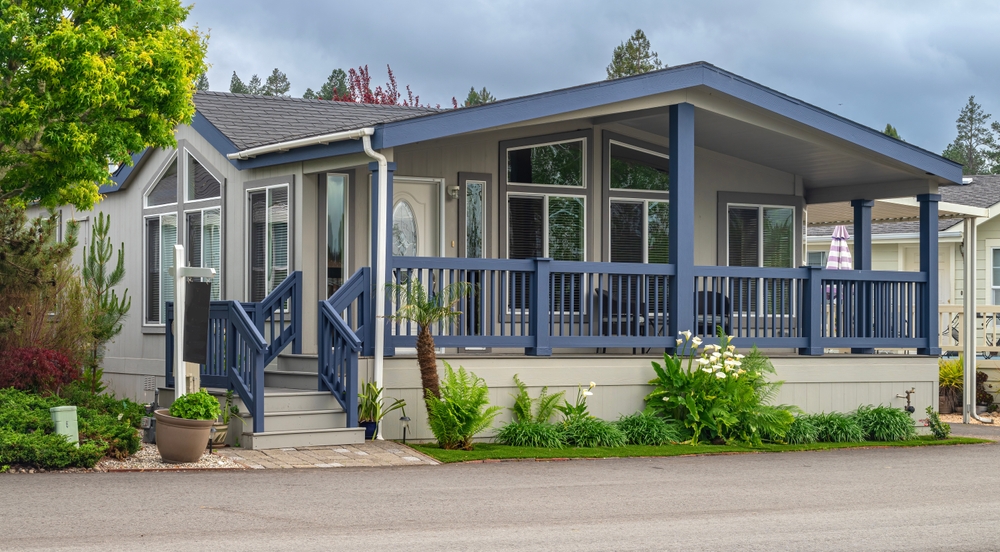
Did you know mobile home insurance in Oregon can cost anywhere from $40 to $125 per month? At the time of 2020, Oregon faced nearly $3 billion in wildfire losses alone, which affected insurance affordability and availability by a lot.
Your manufactured home insurance in Oregon proves worth the cost because it protects you from expensive damages tied to common perils like fire, lightning, and theft. Your premium depends on several factors like your home’s age, condition, location, and the coverage limits you select. Many manufactured homes also face bigger risks based on where they sit, how they’re built, and their foundation – things that modular home insurance companies look at closely to set their rates.
The good news? You can save up to 10% or more on your insurance policies with the right strategy. In this guide, you’ll find hidden discounts and savings opportunities that most Oregon mobile home owners overlook, which helps you get complete protection without paying too much.
What Mobile and Manufactured Home Insurance Covers in Oregon
Mobile home insurance in Oregon protects manufactured homes against many dangers. These homes need different coverage than standard houses because they face unique risks.
Dwelling protection for fire, wind, and hail
Your policy’s dwelling protection section covers your mobile home’s physical structure. The coverage extends to walls, roof, built-in appliances, and attached structures like decks or patios. Most policies give you complete protection against fire damage, wind storms, hail, explosions, vandalism, and falling objects.
Natural disasters pose bigger risks to manufactured homes than traditional houses because of how they’re built. Oregon residents need significant dwelling protection since wildfire and winter storm risks can be substantial. Insurance companies now offer coverage that matches your home’s specific model and design.
Personal property coverage for theft and damage
Your manufactured home insurance protects more than just the building – it covers your personal belongings too. You’ll get coverage for furniture, electronics, appliances, clothing, and other possessions damaged by covered perils or theft.
Your personal property coverage usually runs 25% to 50% of your dwelling coverage amount. Let’s say your mobile home has $80,000 in coverage – your contents protection would be between $20,000 and $40,000.
You should check if your policy uses actual cash value (ACV) or replacement cost coverage. ACV takes depreciation into account, while replacement cost pays for new items of similar quality. The replacement cost option gives you better protection.
Liability protection for injuries on your property
Liability coverage helps if someone gets hurt on your property or you damage someone else’s property by accident. This pays for medical expenses, legal fees, and potential damages when you’re legally responsible.
Most mobile home policies come with guest medical protection. This pays medical costs for injured visitors whatever the fault. Such protection shields you from the financial risks of lawsuits.
Additional living expenses after a covered loss
Your policy’s additional living expenses coverage (also called loss of use) helps with temporary housing costs if disaster makes your home unlivable. This covers hotel bills, reasonable restaurant meals when you can’t cook, and other extra expenses above your normal living costs.
This coverage has its limits though – usually with separate dollar or time caps from your home repair coverage. Keep all receipts for extra expenses since your insurance company needs them for reimbursement.
Key Factors That Affect Your Insurance Premium
Several key factors affect what you’ll pay for mobile home insurance in Oregon. You can find better coverage at lower rates by understanding these elements.
Age and condition of the home
Your manufactured home’s age and overall condition play a big role in setting your premium costs. Newer homes built with modern materials often get lower insurance rates. Older manufactured homes—especially those built before 1976—usually don’t meet current HUD safety standards. This makes them riskier to insure. Insurance companies see aging electrical, plumbing, and structural systems as damage-prone. They charge higher premiums or limit coverage options as a result. Regular upkeep of your home can help offset some of these age-related premium increases.
Location risk: wildfire zones and flood plains
Your mobile home’s location in Oregon has a big effect on insurance costs. Insurance companies review wildfire risk at both community and property levels. They look at how close you are to historical fire areas and check your property’s vegetation density and roofing materials. Oregon has seen nearly $3 billion in wildfire losses since 2020.
Storm risks might drive up premiums in coastal regions. Eastern Oregon’s drier climate creates higher wildfire risks. Homes in the Willamette Valley face possible flooding issues that can change rates. Your distance from emergency services and fire stations also affects premium calculations.
Deductible amount and coverage limits
Your deductible—what you pay before insurance kicks in—directly shapes your premium. A higher deductible usually means lower premiums but more out-of-pocket costs during claims. Oregon’s Department of Financial Regulation notes that coverage limits change costs too. A $1 million replacement-cost home costs more to insure than a $300,000 property.
Claims history and credit score impact
Past insurance claims can raise your rates by a lot. Multiple claims might tell insurers you’re a higher future risk. Most states let insurers check your credit-based insurance score to set premiums. Data shows that lower credit scores link to more frequent claims. This practice has started debates about fairness, especially regarding its effect on minority households.
Hidden Discounts and Savings Most Oregon Owners Miss
You can save a lot on mobile home insurance in Oregon if you know the right places to look. Many people miss chances that could help them pay much less for their premiums.
Bundling with auto or RV insurance
Your premiums can drop when you combine multiple policies with one insurer. Bundling home and auto insurance helps you save between 7% and 23% on premiums. Companies like Good Sam give up to 21% off when you bundle RV and auto insurance. You’ll pay just one deductible if your RV and tow vehicle get damaged in the same accident.
Discounts for smoke detectors and security systems
Making your home safer leads to lower premiums right away. You can cut insurance costs by putting in smoke detectors on every floor, fire extinguishers, deadbolts, and security systems. Simple upgrades like deadbolts on exterior doors can qualify you for discounts with many carriers.
Savings for military service or senior status
Special discounts are available to veterans and seniors. USAA cuts rates for staying claims-free for five years and gives discounts for home monitoring systems. Armed Forces Insurance rewards you for living in gated communities, having new homes, and installing new roofs.
Annual policy review and re-rating opportunities
Looking at your policy each year helps avoid overpaying. Oregon’s Department of Financial Regulation suggests getting quotes from multiple insurers to make fair comparisons. You could save hundreds of dollars each year by raising your deductible from $500 to $1,000.
Switching from actual cash value to replacement cost
Replacement cost coverage costs more at first but gives better protection without taking off depreciation when you make claims.
Using a manufactured house appraisal guide
The right valuation keeps you from being under-insured or paying too much for coverage you don’t need.
What to Do If You Can’t Find Affordable Coverage
Getting affordable mobile home insurance in Oregon seems impossible no matter how hard you try. But you still have several coverage options when standard markets turn you down.
Oregon FAIR Plan: Your Last Resort Option
Oregon’s FAIR Plan gives you simple fire insurance when standard insurance markets won’t cover your property. This safety net helps high-risk properties get essential protection after other insurers say no. The downside? FAIR Plan coverage usually costs more but offers less protection than standard policies.
High-Risk Homes and Surplus Lines
Surplus lines insurers know how to handle properties with higher risk factors. These carriers work outside standard insurance rules, which lets them cover homes that traditional companies won’t touch. Your manufactured home might qualify for surplus lines if it sits in a high-wildfire zone or has other major risks. Just be ready to pay higher premiums.
Better Quotes Through Independent Agents
Independent agents don’t stick to just one insurance company – they work with many. This means they can show you a variety of policy options for your manufactured home. These agents’ experience helps too. They know which companies specialize in mobile homes and have built relationships with carriers that accept riskier properties.
Self-Insurance as Your Backup Plan
You could set aside money specifically to cover potential damages as a last resort. But this strategy comes with big risks since most homeowners can’t save enough to handle catastrophic losses. You should see this as a temporary fix while you keep looking for traditional insurance options.
Get Started Today
Mobile home insurance is a must-have for Oregon manufactured homeowners. Your monthly premiums will likely cost between $40 to $125. Several key factors shape your rate – your home’s age, where it sits, and how well it’s built.
Oregon has lost $3 billion to wildfires since 2020. This makes the right coverage crucial. Many homeowners miss out on big savings. You can cut your premiums by up to 23% by bundling your policies. Quick fixes like adding smoke detectors and security systems lead to instant discounts. Veterans and seniors can also get special rate cuts that often go unclaimed.
You should look over your policy every year to avoid paying too much. This gives you a chance to adjust your deductibles, look into replacement cost coverage, or team up with independent agents who work with multiple carriers. If standard coverage seems out of reach, you have other options through Oregon’s FAIR Plan or surplus line carriers.
Note that the right coverage safeguards more than just your home. It protects your belongings and keeps you safe from costly liability claims. Wildfires and storms keep threatening Oregon properties. Taking time to fine-tune your insurance protection today could save you thousands down the road. Now that you know about these discounts and coverage choices, you can get detailed protection without breaking the bank.